
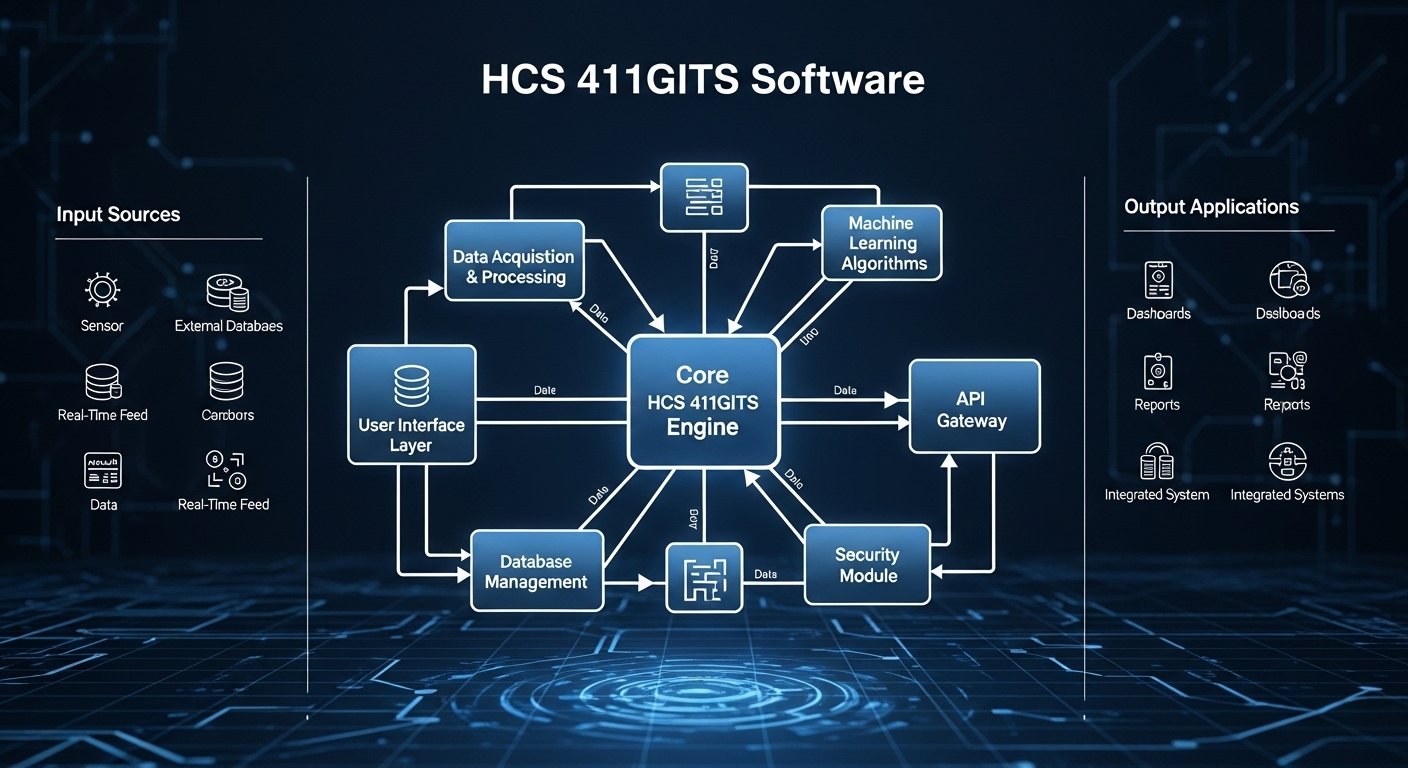
In the modern digital era, understanding the architecture and development of specialized software is crucial for both tech enthusiasts and industry professionals. One software that has gained attention for its unique design and robust functionality is how HCS 411GITS software built. Exploring this software reveals the meticulous planning, development processes, and technical strategies that have contributed to its reliability and performance.
Understanding the Core of HCS 411GITS Software
To grasp how HCS 411GITS software built, it’s essential first to understand its core purpose. This software was designed to streamline complex operations, manage large datasets efficiently, and provide an intuitive interface for users. Developers focused on creating a system that balances performance with usability, ensuring that it can handle intensive workloads without compromising speed or accuracy.
The development team prioritized modularity, allowing individual components to function independently while communicating seamlessly. This architecture ensures that updates or improvements can be made to specific modules without affecting the entire system.
Key Programming Languages and Frameworks
A critical aspect of understanding how HCS 411GITS software built lies in its programming foundation. The software leverages a combination of high-level programming languages and modern frameworks. Core functionalities were implemented using languages known for efficiency and scalability, ensuring that the software could process data and perform operations quickly.
Framework selection also played a pivotal role. Using versatile frameworks allowed developers to incorporate advanced features such as real-time analytics, automated reporting, and customizable dashboards. This combination of languages and frameworks forms the backbone of how HCS 411GITS software built, highlighting the thoughtful engineering behind it.
Database Design and Management
Databases are the heart of any software handling extensive data, and how HCS 411GITS software built relied heavily on optimized database design. Developers implemented a structured relational database system that ensures fast queries, minimal redundancy, and secure data storage.
Data normalization, indexing, and partitioning were carefully applied to improve performance. Furthermore, the software incorporates real-time synchronization and backup protocols, ensuring data integrity and reliability. These features underscore the strategic planning involved in how HCS 411GITS software built to support large-scale operations without performance degradation.
Security and Compliance Features
No modern software can succeed without robust security. When examining how HCS 411GITS software built, security measures are a fundamental component. The software includes encryption protocols for data at rest and in transit, multi-factor authentication, and role-based access controls.
Developers also ensured compliance with relevant industry standards, which is crucial for organizations handling sensitive information. By integrating these safeguards from the outset, the architecture of how HCS 411GITS software built maintains both user trust and operational reliability.
Testing, Deployment, and Maintenance
The process of how HCS 411GITS software built did not end with coding. Rigorous testing procedures, including unit testing, integration testing, and user acceptance testing, were conducted to identify and resolve potential issues. Continuous integration and deployment (CI/CD) pipelines further ensure that updates can be rolled out efficiently without interrupting ongoing operations.
Maintenance protocols are equally important. Automated monitoring tools and performance analytics allow developers to detect anomalies early, ensuring the software remains robust and responsive over time. These steps illustrate the comprehensive approach to how HCS 411GITS software built, emphasizing reliability and longevity.
Conclusion
Understanding how HCS 411GITS software built provides valuable insight into modern software engineering practices. From the careful selection of programming languages and frameworks to database optimization, security, and deployment strategies, every stage of development reflects deliberate planning and technical expertise. For organizations seeking dependable, high-performance software solutions, studying this software offers lessons in creating systems that are both functional and resilient.
Do you want me to do that?